
Austan Goolsbee, president of the Federal Reserve Bank of Chicago, called the latest inflation readings “borderline disturbing” and said the central bank still has work to do to win back its credibility on prices, comments that land three weeks before a December meeting where markets have fully priced a quarter-point rate hike. “It’s another distressing report, borderline disturbing,” Goolsbee said in a PBS News Hour interview after October’s consumer price index came in hotter than expected. “We have been hoping to get progress.”
The October CPI report killed the last of the rate-cut talk. Consumer and producer prices both exceeded forecasts, with wholesale prices spiking 6.5% on an annual basis, and Fed officials spent the following week solidifying expectations of a 25-basis-point increase in December, with markets pricing the possibility of further moves into early 2027. Goolsbee has been explicit that inflation is not behaving like a one-time shock: on CNBC he warned that stubborn price growth could force more aggressive hikes and said “we’re not on path back to 2%.”
The Chicago Fed president’s stance put him on a collision course with the Treasury Department. Treasury Secretary Scott Bessent said Friday that the Federal Reserve should keep an open mind and avoid raising rates in response to inflation driven by an “energy supply shock” tied to the Iran war, arguing that supply-driven price increases should not be met with demand-killing rate policy. Goolsbee’s counterargument, delivered the same day, was that inflation has drifted further from the central bank’s 2% target and that the Fed still has unfinished work on its inflation credibility.
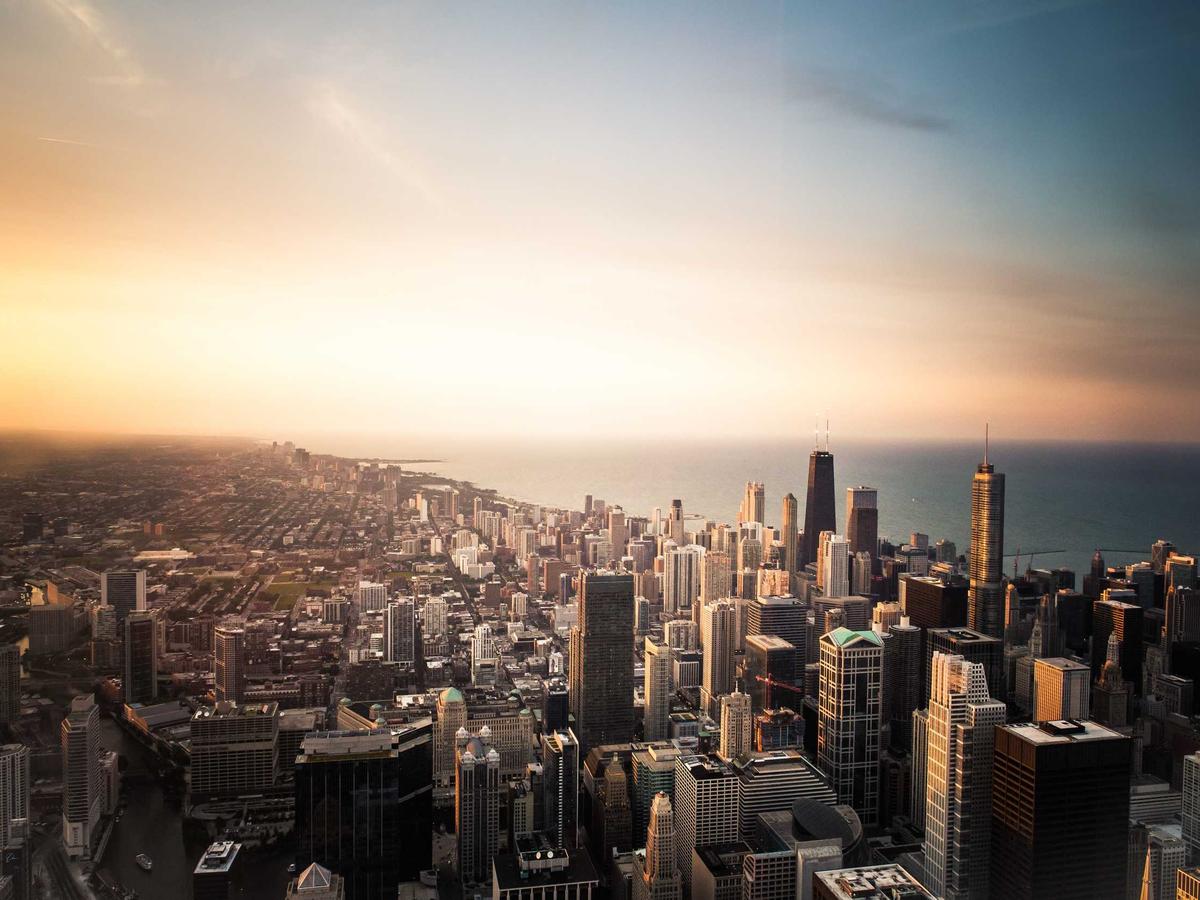
The split matters for Chicago because the region’s economy is unusually exposed to both sides of the argument. Manufacturers and freight companies across northern Illinois absorb energy and input-cost shocks directly, and a December hike raises borrowing costs for the industrial mid-market firms that dominate the metro’s private economy. At the same time, persistent inflation erodes real wages for Chicago’s large logistics, healthcare and retail workforces — the households Goolsbee cited in earlier remarks about where AI-era wealth is landing.
Goolsbee’s own framing has evolved over the fall. In October he described AI-induced inflation as “jumping out of its lane,” suggesting price pressure was spreading from AI-adjacent investment into the broader economy, and he later said the September data was discouraging while favoring patience. By mid-November, after the hot October CPI, his language hardened: the credibility framing — the idea that the Fed must act to preserve its inflation-fighting reputation — is the strongest signal yet that he would support a December increase.
Chicago businesses now face a rates outlook in reverse. After three consecutive quarter-point cuts in the second half of 2025, the policy conversation has flipped to how large and how long the next tightening cycle will be. Commercial lenders across the Loop report clients re-floating variable-rate loans, and construction financing — already tight for office conversions downtown — faces another margin squeeze if the December hike lands followed by more.
The December FOMC decision will show whose logic wins. If the committee hikes despite the Treasury Secretary’s objection, it will mark a rare public divergence between the administration and the central bank at exactly the moment inflation credibility is the Fed’s stated priority.